
A parking guidance system helps drivers find a free parking spot without driving around aimlessly inside the facility. It uses sensors, cameras, and LED display boards to show real-time slot availability. So instead of guessing, drivers follow the signs and go directly to an open space. For operators, this means less congestion, better space usage, and a facility that runs smoothly even during peak hours.
The idea behind a parking guidance system is simple, tell drivers where to go before they start searching. Here’s how it works step by step.
Every parking slot has a sensor or overhead camera above it. These sensors detect whether a slot is free or occupied. The data updates in real time, so the system always knows exactly how many spots are available and where they are.
LED display boards at the entry point and at each lane show the number of available slots in that zone. Drivers can see at a glance where to head. There’s no guessing, no circling around, and no wasted time.
Because the signage guides drivers turn by turn, they reach a free slot without taking wrong turns or blocking other vehicles. This keeps traffic inside the facility moving smoothly, even when the parking lot is nearly full.
As soon as a vehicle parks or a vehicle leaves, the sensor updates the slot status. The display boards reflect this change right away. So the next driver always gets accurate information.
The operator gets a live view of the entire facility from a central dashboard. They can see which zones are full, which are empty, and how traffic flows through the facility. This data also helps with planning and managing operations better over time.
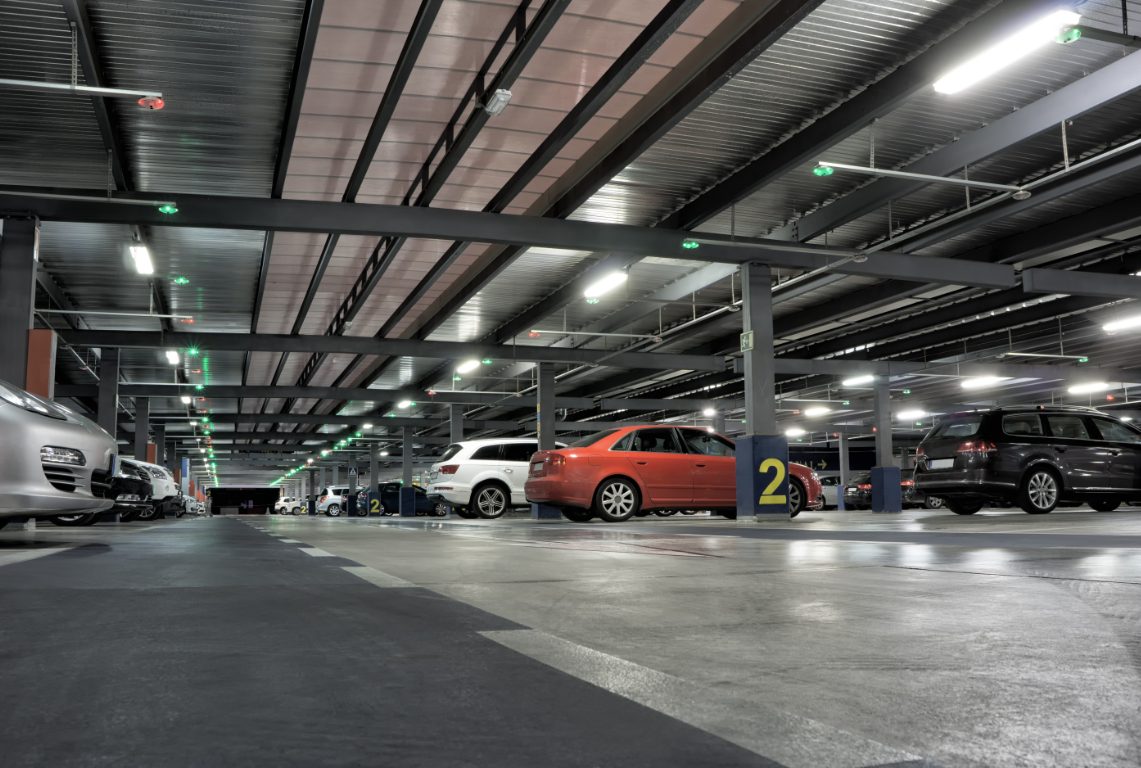
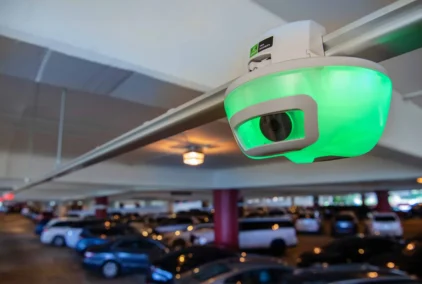
Sensors update slot status the moment a vehicle arrives or leaves. Drivers and operators both get accurate, live information at all times. This alone removes most of the frustration people face in a busy parking facility.
Clear, bright display boards at entry points and lane junctions show available slot counts zone by zone. Drivers don’t need to explore the facility to find a spot. Instead, they follow the boards and get there directly.
Each slot has a small indicator light: green for free, red for occupied. So even when a driver is already in a zone, they can spot a free slot without getting out of the car or waiting for someone else to move.
Because drivers go straight to a free slot, there’s much less random movement inside the parking area. As a result, traffic flows better, there are fewer near-misses, and the overall experience feels more organized.
Without a parking guidance system, drivers tend to cluster in certain areas while other zones stay underused. The system distributes vehicles more evenly across the facility, so operators get more out of every available slot.
The system tracks occupancy patterns, peak hours, and zone-level usage over time. Operators can use this data to make better decisions whether that’s changing layouts, adjusting staffing, or planning for busy days in advance.
A parking guidance system works best when it runs alongside a parking management system. Together, they cover everything from guiding drivers to a slot, to managing entry, exit, and payments. It’s a complete setup for any modern parking facility.
Less time spent driving around inside the facility means less fuel burned and lower emissions. For large facilities with hundreds of vehicles a day, this adds up to a meaningful reduction in the facility’s overall carbon footprint.
Every facility is different. Before we recommend anything, our team visits the site, understands the layout, and figures out the best way to set up the guidance system. You get a solution that fits your facility, not a generic one.
We handle the complete installation, sensors, display boards, software, and wiring. Our team also trains your staff on how to use the dashboard. So by the time we leave, everything works and your team knows how to manage it.
If you already have a parking management system or boom barriers in place, our parking guidance system can connect with them. This gives you one unified setup instead of separate systems that don’t talk to each other.
We use sensors and display boards that hold up well in real parking environments, dusty basements, open terraces, high-footfall areas. The hardware we install is built for the conditions your facility actually operates in.
Once the system goes live, our team stays available. If a sensor stops working or a display board shows incorrect data, we sort it out quickly. Your facility doesn’t have to stay broken while waiting for a response.
A parking guidance system uses sensors and LED display boards to show drivers where free parking slots are in real time. Instead of driving around looking for a spot, drivers follow the signs and go directly to an open slot.
A parking management system handles entry, exit, and payments. A parking guidance system focuses specifically on directing drivers to available slots inside the facility. The two systems work well together and many facilities use both.
The system can use ultrasonic sensors, infrared sensors, or overhead cameras depending on the facility type and ceiling height. Our team recommends the right sensor type after assessing your site.
Yes. The system works in both covered and open-air facilities. For outdoor setups, we use weather-resistant hardware that handles heat, rain, and dust without issues.
The sensors deliver high accuracy under normal operating conditions. In addition, the system updates slot status within seconds of a vehicle arriving or leaving, so drivers always get current information.
In most cases, yes. Our parking guidance system is built to integrate with standard parking management platforms. We check compatibility during the site visit and confirm before installation begins.
If a sensor fails, the system flags that slot as a fault rather than showing it as free or occupied incorrectly. Our support team addresses hardware issues quickly to keep the system running accurately.
For a standard facility, installation usually takes one to three weeks. Larger or more complex setups may take longer. We give you a clear project timeline before we begin.
A parking guidance system is one of the simplest ways to improve the experience at your facility. Drivers get in and out faster, operators get better control, and the whole facility runs more smoothly. Get in touch with us for a free site assessment and we'll put together the right solution for you.