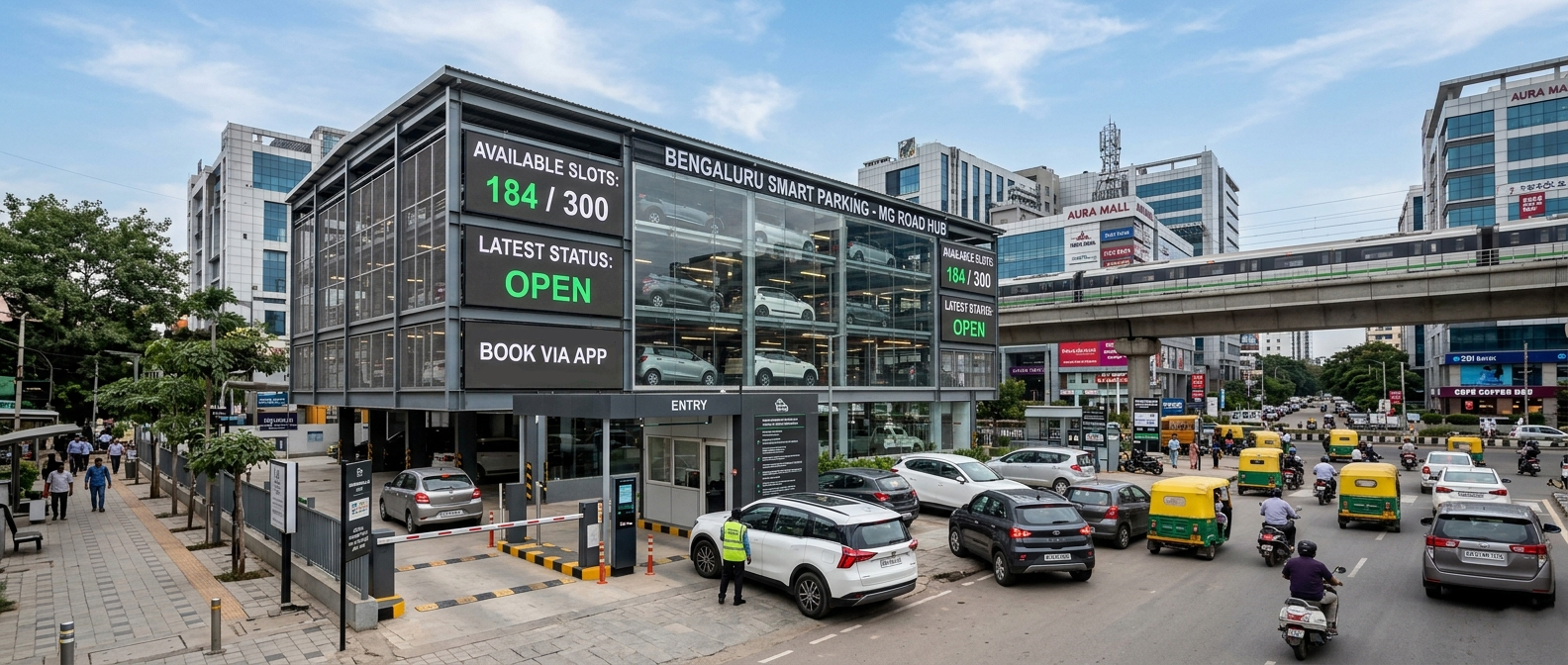
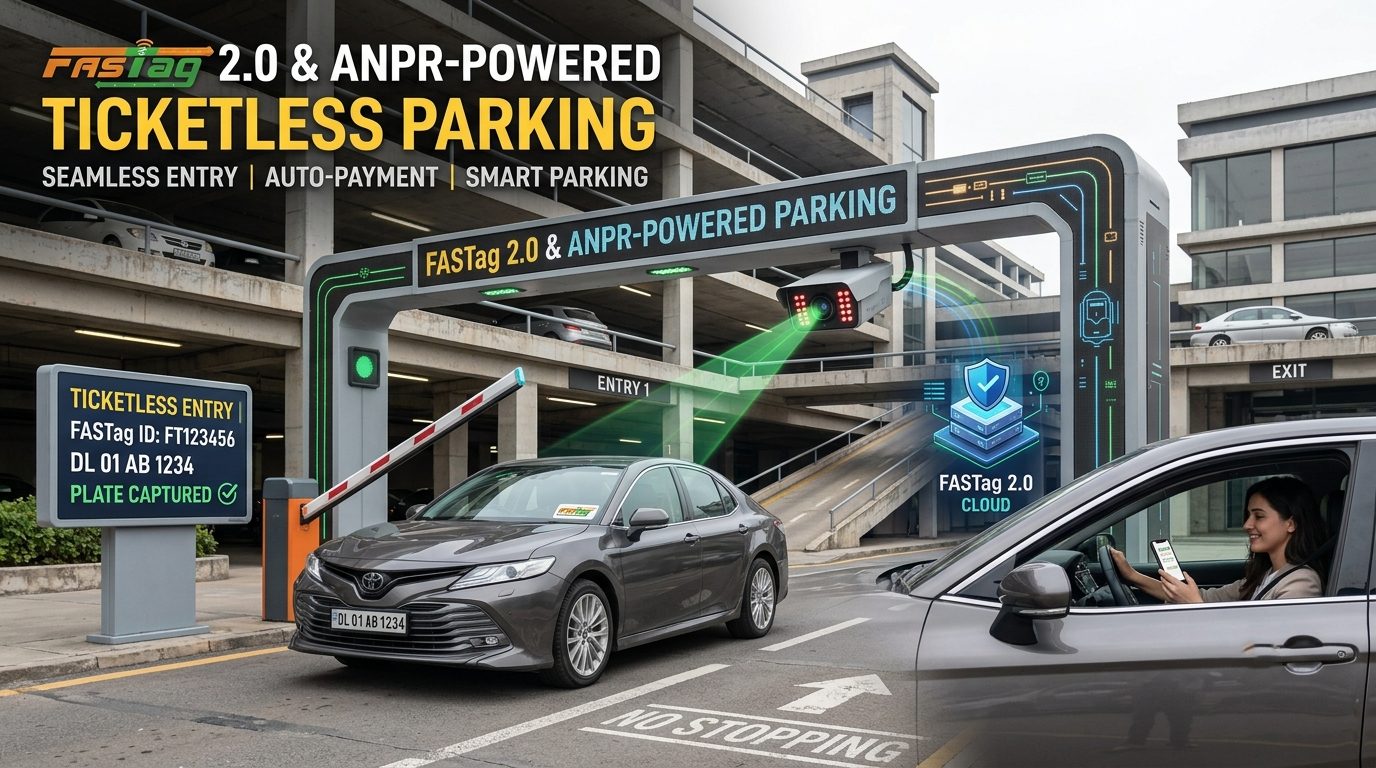
Something significant is happening at parking facilities across India in 2026. The paper ticket is disappearing. The cash transaction at the exit booth is becoming a rarity. Barriers lift automatically. Payments happen without a driver touching their wallet. What is driving this shift is the convergence of two technologies that Indians are already familiar with from highway tolling: FASTag and Automatic Number Plate Recognition, commonly known as ANPR.
India’s National Payments Corporation of India upgraded FASTag to version 2.0 in 2026, adding AI-powered parking payments directly to the platform. Combined with the rapid rollout of ANPR cameras at parking facilities across the country, the result is a fully ticketless parking experience that is faster, more accurate, and more convenient for both drivers and operators. This article explains how these technologies work together, why adoption is accelerating so quickly, and what it means for anyone managing or using a parking facility in India today.
What FASTag 2.0 Means for Parking in India
Most Indian drivers know FASTag as the RFID sticker on their windscreen that deducts toll charges automatically on highways. Over 1,150 FASTag-enabled toll plazas operate across India, and the Annual FASTag Pass saw 1.4 lakh activations on its very first day. The technology has achieved mainstream adoption faster than almost any other digital infrastructure initiative in the country.
FASTag 2.0 takes that same infrastructure and extends it into parking. NPCI’s AI-powered FASTag parking system uses ANPR cameras to match vehicles to their FASTag accounts and deduct parking fees automatically on exit. No ticket or QR code is needed. A driver pulls in, the camera reads the number plate, the system links it to the registered FASTag account, and when the driver leaves, the fee is deducted instantly. The barrier lifts. The driver moves on.
This is not a pilot or a future aspiration. Multi-lane free flow gantries are being installed on major expressways so vehicles no longer need to stop at toll plazas at all. The same free-flow logic is now moving into parking infrastructure, particularly in high-traffic commercial locations, malls, hospitals, and corporate parks across Tier 1 cities.
For parking operators, the implications are significant. A modern Parking Management System that integrates FASTag eliminates the need for manual billing, reduces staff dependency at exit lanes, and virtually eliminates revenue leakage from human error or cash mishandling.
How ANPR Makes Ticketless Parking Work
FASTag handles the payment. ANPR handles the identity. Together they form the backbone of the ticketless parking model that is rapidly becoming the standard across serious facilities in India.
In 2026, ANPR is no longer a luxury for parking facilities. It is a baseline requirement. The technology uses cameras at entry and exit points to read vehicle number plates in real time. Leading systems deployed across Indian facilities achieve plate recognition accuracy above 96% under normal operating conditions. The system cross-references each plate against its database, identifies registered vehicles, flags unauthorised entries, and calculates parking duration without any manual input.
What this means in practice is a parking experience with no queues at the entry barrier, no paper tickets to lose, no cash fumbling at the exit, and no disputes about duration or charges. The Ticketless ANPR Solution replaces the entire physical ticketing workflow with a digital one that runs automatically from the moment a vehicle enters the premises.
ANPR also strengthens security
Beyond payment and access, ANPR gives operators a powerful security layer. Every vehicle that enters a facility is logged with a timestamp and a plate read. Blacklisted vehicles trigger an automatic alert. Overstays are flagged without a patrol officer needing to check bay by bay. In high-security environments like corporate campuses and hospitals, this capability is increasingly considered essential rather than optional.
FASTag and ANPR Working Together: The Hybrid Model
Not every vehicle on Indian roads carries a registered and active FASTag. For a parking facility, this presents a practical challenge. A purely FASTag-dependent system excludes a portion of drivers, which creates friction and undermines the seamless experience the technology is supposed to deliver.
The solution most operators are adopting is a hybrid model. FASTag vehicles move through with automatic deduction. Non-FASTag vehicles use UPI, QR code, or card payment at exit, with ANPR still handling plate recognition for duration tracking and access control throughout. Both vehicle types use the same lane and the same barrier, with the system routing each transaction through the appropriate payment channel automatically.
This hybrid approach is what makes a FASTag Payment Collection system viable at scale in India’s current environment. Operators get the efficiency gains of automation for the majority of vehicles without excluding drivers who are yet to complete FASTag registration or KYC.
As India moves toward a less-cash economy, facilities adopting full-spectrum digital payment support are seeing faster vehicle throughput, shorter queue times, and a measurable reduction in staff workload at payment points.
The Boom Barrier’s New Role in Automated Parking
In a ticketless, ANPR-driven facility, the boom barrier takes on a different function than it did in a traditional setup. Previously, barriers controlled access through ticket validation and manual checks. Today, the barrier is the final step in an automated decision already made by the system.
When an ANPR camera reads a plate on entry, the system checks whether the vehicle is authorised, flagged, or visiting for the first time. If access is permitted, the Boom Barrier opens in under two seconds without any human involvement. On exit, the FASTag deduction or digital payment triggers the barrier to open only after a successful transaction is confirmed. This closes the revenue loop entirely, preventing drive-offs and eliminating the most common source of revenue leakage in traditional facilities.
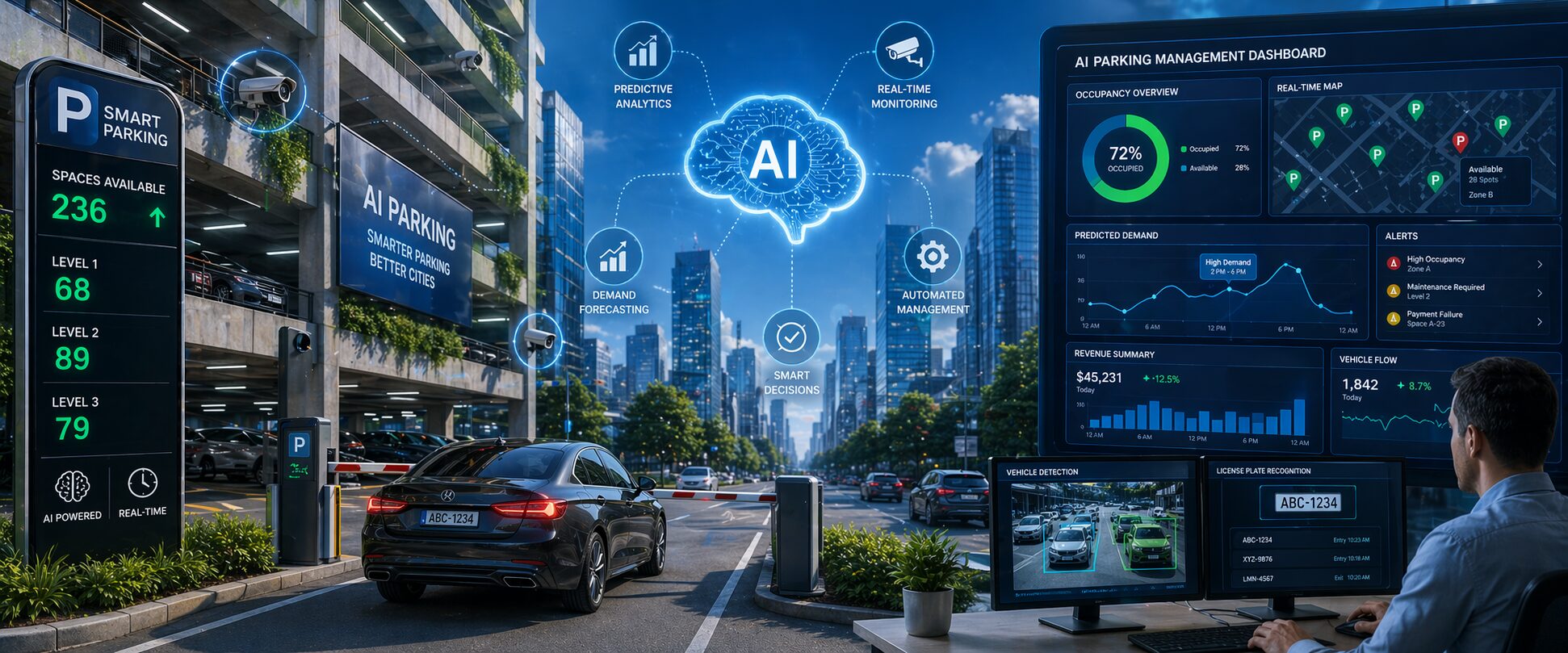
Modern boom barriers integrated into an ANPR and FASTag ecosystem also provide a full audit trail. Every entry, exit, payment, and access event is logged against a plate number and a timestamp. Operators can review this data in real time through a management dashboard, giving visibility that manual systems could never provide.
What This Shift Means for Parking Operators and Facility Managers
The move to ticketless, FASTag-integrated parking is not simply a technology upgrade. It changes the economics and the operational model of running a parking facility in meaningful ways.
Staffing requirements reduce significantly. Entry and exit lanes that previously needed one or two attendants each can operate with supervision rather than constant staffing. For operators managing large facilities with multiple entry points, this translates directly into lower operating costs over time.
Revenue visibility improves dramatically. Because every transaction flows through a digital system, operators have real-time access to occupancy data, revenue figures, and transaction logs. There is no end-of-day cash reconciliation, no opportunity for ticketing irregularities, and no ambiguity about how many vehicles entered and exited. A well-implemented Parking Management System surfaces all of this through a single dashboard.
Driver throughput increases substantially. The average vehicle processing time at a manual entry barrier in a traditional facility ranges from 30 to 60 seconds. With ANPR and FASTag, that drops to under five seconds. For a busy facility handling several hundred vehicles in a morning peak, the reduction in congestion at entry points is considerable.
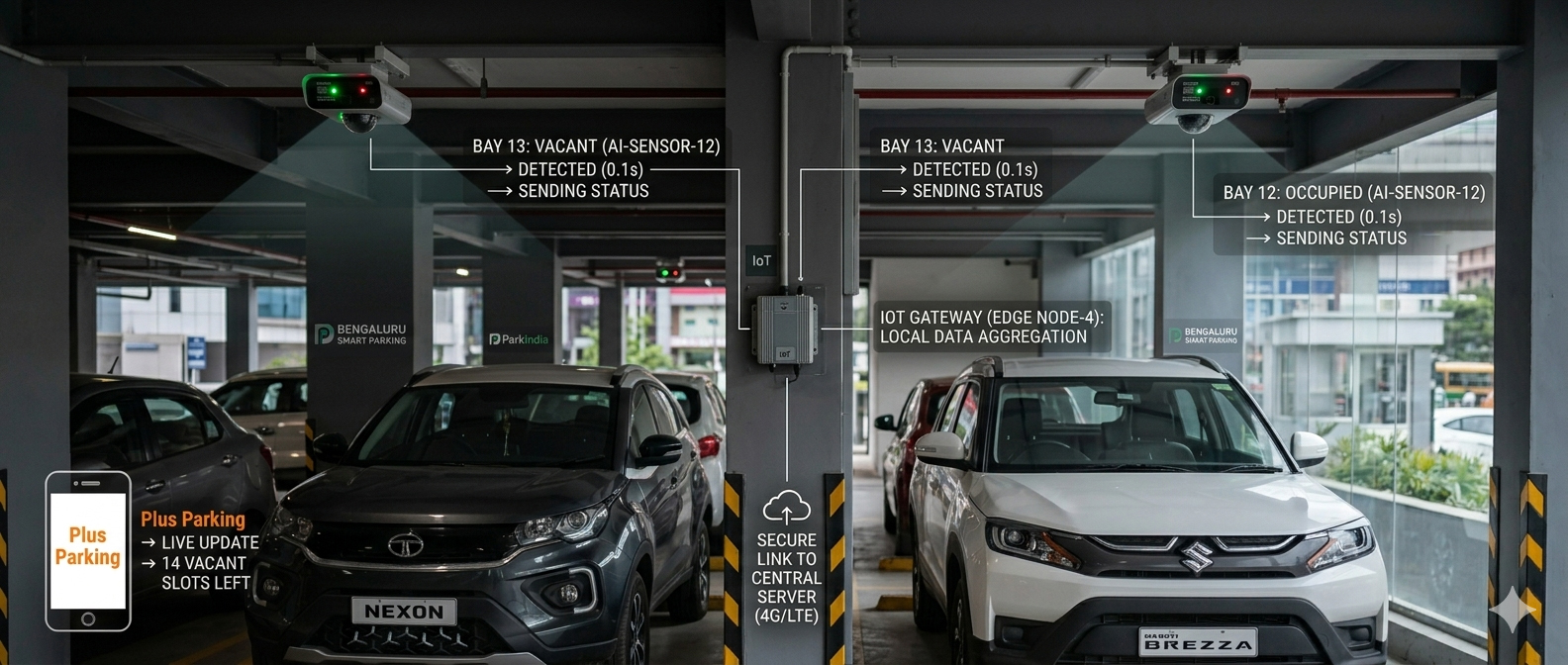
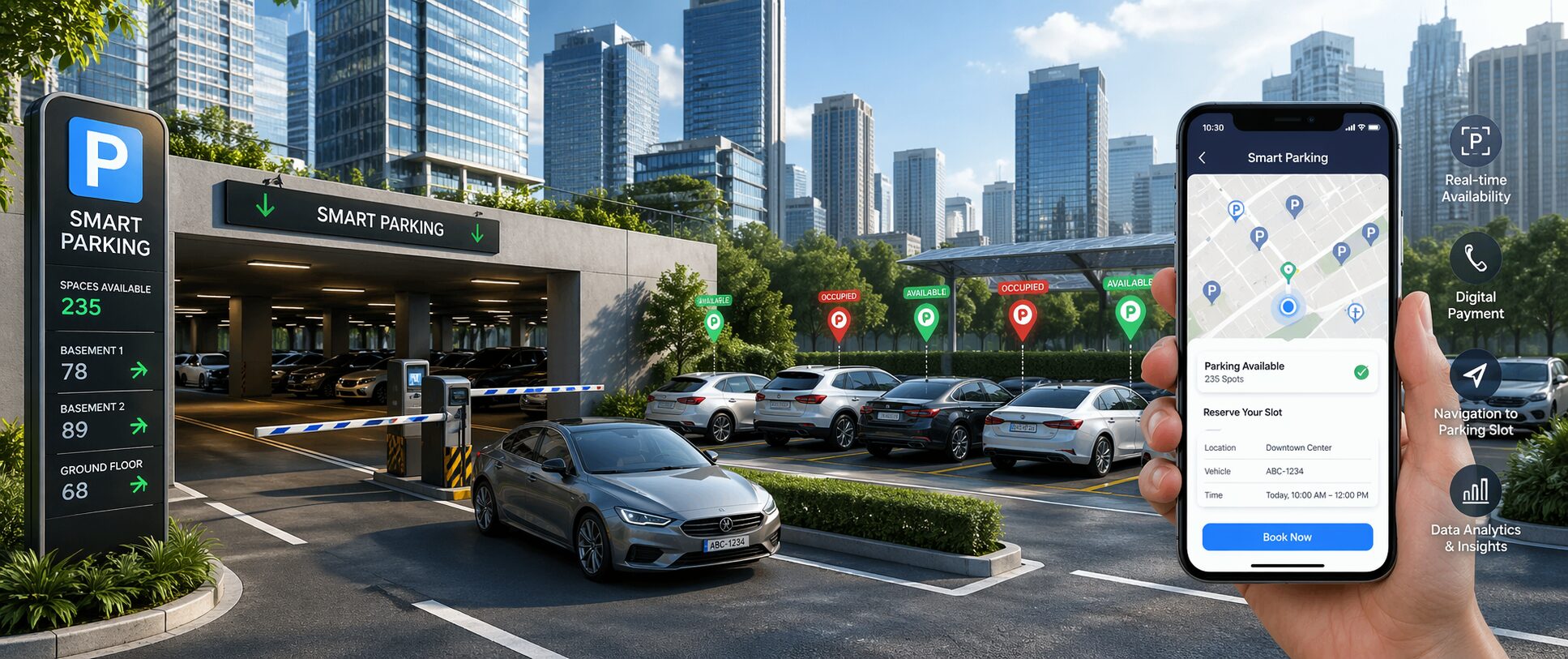
Facilities that also want to guide drivers to available spaces efficiently can combine this automated entry infrastructure with a Parking Guidance System, so drivers move from the barrier directly to a free bay without circling.
For operators who want to go further and have their parking managed end-to-end by experienced professionals rather than building that capability in-house, a Parking Operation service that covers both the technology and the people is a practical alternative worth considering.
Is Your Facility Ready for Ticketless Parking?
The shift to ticketless, ANPR and FASTag-integrated parking is happening faster than many facility owners anticipated. In 2026, it is no longer a question of whether to make this transition but when and how.
Facilities considering this move need to assess a few key areas. First, the physical infrastructure at entry and exit points needs to accommodate ANPR cameras with clear sightlines and adequate lighting. Second, the existing payment and access control systems need to connect cleanly with FASTag and UPI payment rails. Third, staff need training not on operating barriers but on monitoring the system, handling exceptions, and maintaining the hardware.
For facilities that are uncertain about where to start or how to structure the transition, a Parking and Traffic Consultancy engagement can help assess the current setup, identify the right technology configuration, and plan the implementation in a way that minimises disruption to daily operations.
The technology is proven. The regulatory environment supports it. Driver adoption of FASTag is already at scale. The remaining question for most facility operators is simply one of timing.
Frequently Asked Questions
What is ticketless parking in India?
Ticketless parking uses ANPR cameras to identify vehicles by their number plate at entry and exit, eliminating the need for physical tickets. Payment is processed automatically through FASTag, UPI, or other digital methods, making the entire process contactless and fully automated.
How does FASTag work in parking facilities?
FASTag in parking works the same way as at toll plazas. An ANPR camera reads the vehicle’s number plate on entry, links it to the registered FASTag account, and deducts the applicable parking fee automatically when the vehicle exits. No manual transaction is needed.
Is ANPR accurate enough to rely on for parking management in India?
Yes. Leading ANPR systems deployed in Indian facilities achieve accuracy rates above 96% under normal operating conditions. Systems handle regional number plate formats, low-light environments, and high-speed entry scenarios effectively.
What happens if a vehicle does not have FASTag?
Most modern facilities use a hybrid model where non-FASTag vehicles pay via UPI, QR code, or card at exit. The ANPR system still tracks the vehicle by plate for duration and access purposes. Only the payment method differs.
Can existing parking facilities upgrade to ticketless ANPR systems?
Yes. ANPR cameras and FASTag integration can be retrofitted to most existing facilities without full reconstruction. The extent of the upgrade depends on the current entry and exit infrastructure, lighting conditions, and the existing management system’s compatibility with ANPR inputs.